The Montana Reserved Water Rights Compact Commission (RWRCC) recently released a new report on the Flathead Indian Reserved Water Rights Compact, as directed by Governor Steve Bullock. The report addresses some of the concerns over the compact and lists some of the problems that will likely occur if the compact is not ratified by the 2015 Montana Legislature, when it will go before the legislature for a second time. If passed by the state legislature and thereafter Congress, the compact would quantify the water rights of the Confederated Salish and Kootenai Tribes (CSKT).
The RWRCC, CSKT, and five federal government agencies*, have been negotiating the terms of the Flathead Reservation Federal Reserved Water Compact for over a decade. The compact quantifies the tribal water right for all past, present, and future uses, including non-consumptive uses (in-stream flow), and off-reservation water rights. Five of the seven tribes in the state have already finalized compacts that quantify tribal water rights and the Salish and Kootenai were the remaining two.
The process has been embroiled in controversy since the beginning, and does not seem to be any less controversial now. Water rights and tribal reserved water rights in particular have a contentious history. The Flathead Reservation was established by the Hellgate Treaty in 1855, which reserved 1.3 million acres. Not until Winters v. United States (1908) were the water rights defined as reserved along with land reservations, so several decades passed without any legal legitimacy given to water use by tribes in the reservation. The Dawes Severalty Act of 1887 and the Allotment Act of 1904 later allowed procurement and settlement by non-Indians, leading to the current situation: today non-Native Americans outnumber Native Americans within the Flathead Reservation. For a history of the fight for water rights for the CSKT, go here.
The U.S. Supreme Court, in response to many cases of litigation over tribal reserved water rights, directed tribes and states to approve compacts quantifying tribal water rights. In November of 2012, the CSKT and RWRCC reached a settlement, and then re-released a revised settlement after several public meetings in February 2013. The compact was brought to the state Legislature, but the bill failed to make it through committee.
It is likely that the failure of the legislature to pass the compact will lead to a very expensive litigation process over the next several years. The report from the state this week has done very little to appease opponents to the compact.
* Bureau of Reclamation, Bureau of Indian Affairs, U.S. Fish and Wildlife Service, U.S. Department of Justice, U.S. Department of Interior
Sources:
Tristan Scott, Flathead Beacon (12-31-13) Report Released on SCKT Water Rights Compact
Vince Devlin, Missoulian (12-17-13) Report Released on CSKT Water Compact, Impact if Fails, Off-Reservation Claims
Mike Dennison, Missoulian (1-7-14) Water Users Debate Flathead Compact at Legislative Meeting
Stephen Walker, Lewis, Longman and Walker, P.A. (11-10-13) The Confederated Salish and Kootenai Tribes Fight for Quantified Federal Water Rights in Montana: A Contentious History

water issues in the intermountain west
Tuesday, January 7, 2014

Friday, August 23, 2013
Reduced Colorado River releases from Lake Powell
In Salt Lake City last week, the BLM announced that the amount of water released from Lake Powell in water year 2014 (starting in October) will be reduced by 9%. The volume of water released each year is based on guidelines set in 2007 by the Secretary of Interior, which coordinate the management of large reservoirs along the Colorado River, including Lake Powell and Lake Mead. According to the guidelines, "A Shortage Condition exists when the Secretary determines that insufficient mainstream water is available to satisfy 7.5 maf [million acre feet] of annual consumptive use in the Lower Division states." This certainly applies today, and the release from Lake Powell will be 7.48 maf, the lowest release since Glen Canyon Dam was constructed in the 1960s. The BLM projects that Lake Mead levels will decline an additional
eight feet next year as a result of the reduced release from Lake Powell.
Upper Colorado Regional Director Larry Walkoviak said in a statement, "This is the worst 14-year drought period in the last hundred years."
Although the immediate effect on Colorado River water rights holders is small for now, shortages like this are predicted to become more frequent because of changing climate conditions. As Erik Stokstad reports in Science Insider, more water has been promised to users than can be delivered.
Upper Colorado Regional Director Larry Walkoviak said in a statement, "This is the worst 14-year drought period in the last hundred years."
 |
| photo credit: Glen Canyon National Recreation Area |
Monday, July 29, 2013
Water Infrastructure getting more attention, discourse, and... funding?
Water infrastructure issues are getting more attention across the country as communities struggle with water availability and aging infrastructure issues during the hottest months of the year. States, communities, and private organizations (both non-profit and for-profit) across the US are calling attention to the problem and pledging to commit finances and legislation to try to address these water-related challenges.
Water availability issues, such as those faced in the U.S. West and in rapidly growing regions across the whole country struggle with not only having to maintain and repair their systems to meet the capacity and level of service for which they were designed, but also having to consider future growth and increased strain on water sources as populations expand, or as drought constricts the amount of water available. Aging infrastructure is an issue facing many communities because infrastructure projects built decades ago with large investments are now facing the end of their useful designed life, and the funding for replacements is harder to come by due to strained economic and political conditions. This is having an effect on water quality in many areas, as well as leading to infrastructure failures and water restrictions.
So what does all this mean? Well, it will likely lead to rate increases, a trend which has already begun and will continue. This has implications for lower income communities who already pay a greater share of their income for water services. Rate increases will likely be more noticeable in smaller communities, where the lack of economies of scale precludes the utility from spreading the costs over more people.
This could lead to increased violations of water quality regulations under the Clean Water Act and the Safe Drinking Water Act. Both health-based and non-health based violations could go up as a result of water systems not being able to pay for needed infrastructure upgrades.
It could also lead to consolidation of water utilities, especially by larger and more financially viable water systems or even private companies.
The United Nations recently decided that access to safe drinking water was a human right. Here in the United States, we have been fortunate to have relatively cheap access to very high quality drinking water. However, water infrastructure is a huge challenge that casts a spotlight on several related issues including funding for infrastructure projects, affordability and rate setting, environmental justice, water availability and population growth, and climate change.
Water availability issues, such as those faced in the U.S. West and in rapidly growing regions across the whole country struggle with not only having to maintain and repair their systems to meet the capacity and level of service for which they were designed, but also having to consider future growth and increased strain on water sources as populations expand, or as drought constricts the amount of water available. Aging infrastructure is an issue facing many communities because infrastructure projects built decades ago with large investments are now facing the end of their useful designed life, and the funding for replacements is harder to come by due to strained economic and political conditions. This is having an effect on water quality in many areas, as well as leading to infrastructure failures and water restrictions.
So what does all this mean? Well, it will likely lead to rate increases, a trend which has already begun and will continue. This has implications for lower income communities who already pay a greater share of their income for water services. Rate increases will likely be more noticeable in smaller communities, where the lack of economies of scale precludes the utility from spreading the costs over more people.
This could lead to increased violations of water quality regulations under the Clean Water Act and the Safe Drinking Water Act. Both health-based and non-health based violations could go up as a result of water systems not being able to pay for needed infrastructure upgrades.
It could also lead to consolidation of water utilities, especially by larger and more financially viable water systems or even private companies.
The United Nations recently decided that access to safe drinking water was a human right. Here in the United States, we have been fortunate to have relatively cheap access to very high quality drinking water. However, water infrastructure is a huge challenge that casts a spotlight on several related issues including funding for infrastructure projects, affordability and rate setting, environmental justice, water availability and population growth, and climate change.
Friday, May 10, 2013
Think at the Sink for Drinking Water Week!

Originally posted at It's Our Environment.
This week is national drinking water week, and the theme is “What do you know about H2O?” Have you ever considered how water travels from its source and ends up in your kitchen sink?
In 2006, I worked as a volunteer in South Africa. One day I drove across the province to visit a game preserve, leaving the city where I spent most of my time. The contrast between the city and the country was always jarring, and this day I drove farther into the countryside than I’d ever been. Gradually towns dissipated and were replaced by clusters of domed huts. Off to one side of the road, I spotted a woman and her daughter carrying buckets of water into their village. It is hard to describe the dissonance that I felt during this recreational outing to look at elephants with a liter of bottled water tucked into my seat. I’d never had to haul water into my home; I just turned on the tap and safe, clean water poured out. UNICEF estimates that many people in developing countries, particularly women and girls, walk six kilometers a day for water.
The Safe Drinking Water Act authorizes the EPA to set drinking water standards, protect drinking water sources, and work with states and water systems to deliver safe drinking water some 300 million Americans. In the U.S., the last century has seen amazing improvements to drinking water quality. Mortality rates have plummeted and life expectancy has climbed as a result of better science and engineering, public investment in drinking water infrastructure, and the establishment of landmark environmental laws like the Clean Water Act and Safe Drinking Water Act. Some historians claim that clean water technologies are likely the most important public health intervention of the 20th century.
Today, we can celebrate the fact that the vast majority of people living in the United States have access to safe drinking water. Ninety-two percent of Americans receive clean, safe drinking water every day, and EPA is working to make that number even higher by partnering with states to reduce pollution and improve our drinking water systems. However, we should be aware of new challenges to our drinking water systems like climate change, aging infrastructure and nutrient pollution.
For drinking water week this year, stop and think about how far we’ve come by paying attention each time you turn on your tap.
In 2006, I worked as a volunteer in South Africa. One day I drove across the province to visit a game preserve, leaving the city where I spent most of my time. The contrast between the city and the country was always jarring, and this day I drove farther into the countryside than I’d ever been. Gradually towns dissipated and were replaced by clusters of domed huts. Off to one side of the road, I spotted a woman and her daughter carrying buckets of water into their village. It is hard to describe the dissonance that I felt during this recreational outing to look at elephants with a liter of bottled water tucked into my seat. I’d never had to haul water into my home; I just turned on the tap and safe, clean water poured out. UNICEF estimates that many people in developing countries, particularly women and girls, walk six kilometers a day for water.
The Safe Drinking Water Act authorizes the EPA to set drinking water standards, protect drinking water sources, and work with states and water systems to deliver safe drinking water some 300 million Americans. In the U.S., the last century has seen amazing improvements to drinking water quality. Mortality rates have plummeted and life expectancy has climbed as a result of better science and engineering, public investment in drinking water infrastructure, and the establishment of landmark environmental laws like the Clean Water Act and Safe Drinking Water Act. Some historians claim that clean water technologies are likely the most important public health intervention of the 20th century.
Today, we can celebrate the fact that the vast majority of people living in the United States have access to safe drinking water. Ninety-two percent of Americans receive clean, safe drinking water every day, and EPA is working to make that number even higher by partnering with states to reduce pollution and improve our drinking water systems. However, we should be aware of new challenges to our drinking water systems like climate change, aging infrastructure and nutrient pollution.
For drinking water week this year, stop and think about how far we’ve come by paying attention each time you turn on your tap.
Tuesday, April 23, 2013
Utah Governor stops Nevada water sharing agreement
 This month, Utah Governor Gary Herbert said he would not sign an agreement that would divvy water under the shared border between Utah and Nevada. This water had been eyed by the thirsty metropolis of Las Vegas a few hours south. The pact was drawn up four years ago in response to a 2004 Congressional order that required the states to reach an agreement before any transfers of water would be permitted in the Snake Valley. The agreement was controversial because of a proposed pipeline enabled by the pact that would send Snake Valley water to Las Vegas. The pipeline spurred protests from farmers, environmentalists, tribes, and ranchers in Utah and parts of Nevada.
It was not clear whether Gov. Herbert would support the agreement, and he shocked both supporters and critics of the project when he announced his decision. He told the Deseret News, "At the end of the day, when it comes down to those people who have the most to lose — it's their water, their lifestyle, their livelihood — I can't in good conscience sign the agreement. It's that simple."
In Utah, the reaction has been positive. The majority of local citizens and officials at the county level in Millard and Juab counties did not support the water sharing agreement.
The director of Nevada Department of Conservation and Natural Resources said that they are "evaluating all of [their] options in light of Gov. Herbert's decision." A lawsuit could be forthcoming.
Tuesday, April 2, 2013
America gets a report card and it's not good

This month, the American Society of Civil Engineers released a 2013 report card for America's infrastructure. Overall, America's GPA is a D+. Dams, Drinking Water, and wastewater each got a D. Inland waterways and levees got a D- each. It is clear that the infrastructure we rely on to transport, distribute, treat, and store water is in pretty poor condition.
Check out the interactive report card at www.infrastructurereportcard.org.
Water Restrictions Implemented in Colorado
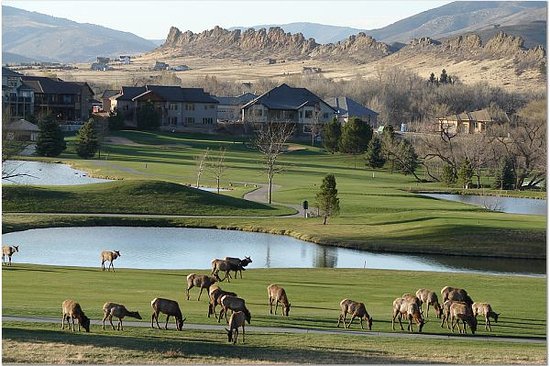
As spring approaches, many Colorado cities, including Colorado Springs, Fort Collins, and Denver, are gearing up for another dry year by instituting tight water restrictions.
In Colorado Springs, watering lawns will be restricted to twice a week for three hours in an effort to bring water usage down 30% from last year. Addresses with odd numbers are allowed to waer on Tuesday and Saturday, even numbers on Sunday and Wednesday. Fines for non-compliance are up to $500. The restrictions go into effect this week, and are typical to the type of restrictions being implemted across the state.
 |
| From tripadvisor |
As drought conditions persist (long past the point of "severe" drought classifications), many other municipalities throughout Colorado are having to consider implementing restrictions. Cities that have traditionally kept water use unrestricted, like Loveland, will likely have to follow suit.
The Reporter Herald notes that some coservationists see a silver lining in the drought, which is that perhaps people will begin to understand the real consequences to living in an arid envionment. (However, this blogger is skeptical.)
Wednesday, February 6, 2013
market based energy and water conservation legislation introduced in Texas
This week, legislation was introduced to the Texas Senate to enable financing of water and energy conservation improvements for building owners using property assessments. Programs of this sort are in place in many other states, and are called Property Assessed Clean Energy (PACE) programs. Essentially, this allows cities to offer building owners a long-term loan that can be paid back each year on the property tax bill. The cost of improvements are added to the property tax bill over the course of several years. Depending on the improvement project, the savings will be reflected in monthly water and energy bills. According to the PR Newswire, this funding mechanism will enable building owners to put improvements in place that would otherwise be cost prohibitive without the low-cost, long-term loans and repayment method this program puts in place. The program is voluntary, and each loan is attached to the property, not the property owner. Similar legislation is expected to be submitted to the Texas Congress soon.
For more information about PACE financing of conservation improvements, watch this video:
For more information about PACE financing of conservation improvements, watch this video:
Friday, January 11, 2013
Exceptional Drought Conditions Squeeze Farmers
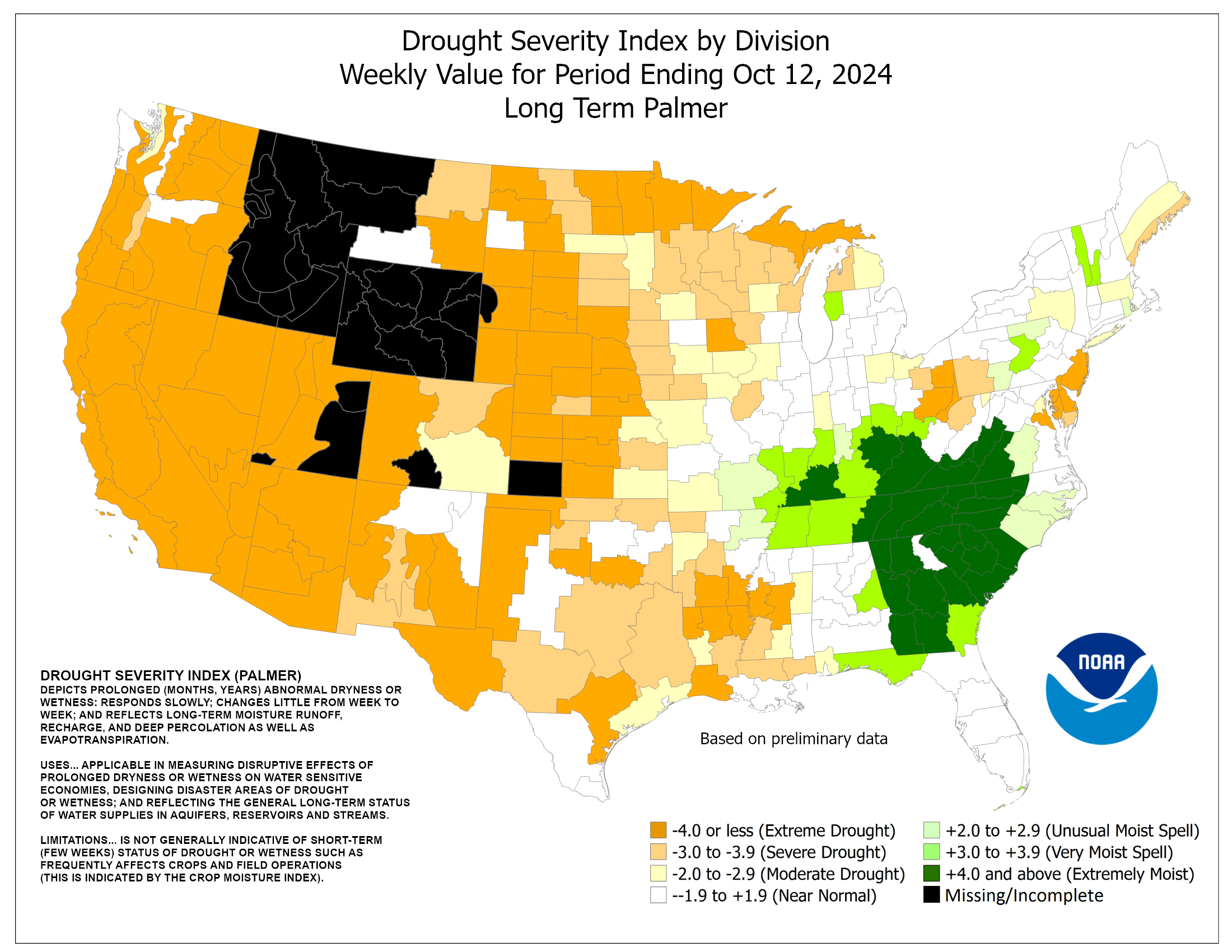
 Communities all over the Midwest and parts of the Intermountain West are continuing to suffer under extreme and "exceptional" drought. Cities all over the region are urging residents to conserve as much as possible, while crossing their fingers that rain and snow will fall and replenish water storage supplies. Communities like Paris, Arkansas, and many others, which have implemented strict water use restrictions.
The drought has severe impacts on agricultural production, an important economic service in the Mid-and Intermountain West. The U.S. Congress was unable to pass a bipartisan Farm Bill last year, but the drought has spurred many, including Senators Michael Bennet and Mark Udall, to plead to the House to pass the bill this year. The Farm Bill includes provisions to aide ranchers and farmers in times of drought.
In Colorado, the drought is in its third consecutive year, and many rivers are flowing below 10% of their normal levels. Yesterday, the USDA designated roughly two-thirds of Colorado's counties as disaster areas as a result of prolonged, extreme drought conditions (La Junta Tribune). Although snowpack is accumulating in the Colorado headwaters region in the western part of the state, the eastern part of the state continues to remain dry. For more information about the drought in Colorado, visit CSU's Colorado Climate Center.
Wednesday, January 9, 2013
A Twenty-First Century Water Policy: A Review - 2 of 3
This is part 2 of a review of Pacific Institute's latest book, A Twenty-First Century Water Policy. For part 1, click here.
Water quality and freshwater ecosystems are two areas of important consideration in the next century of water policy. They are addressed in Chapters 5 and 6 of the book.
WATER QUALITY
The chapter, written by Lucy Allen, begins with a brief overview of the development of water quality regulation and policy in the 20th century. The good news is, water quality has dramatically improved in most places, thanks in large part toe the Clean Water Act, which gave the federal government the power to regulate water pollution and manage the "biological integrity" of our nation's waters. Today, forty years after the CWA was passed, we still wrestle with water quality problems, but they have shifted in nature. Runoff from urban or agricultural sources, called non-point pollution, is a hairy and seemingly intractable problem now, and the CWA doesn't do very well at addressing how to mitigate this type of input. New contaminants (like volatile organic compounds) are not well understood. Monitoring and assessing the health of rivers has not been adequately pursued by states under the NPDES system.
The soft path of water policy, advocated by the authors, would capture the power of the CWA and integrate it with existing legislation on drinking water (the Safe Drinking Water Act) in recognition that clean waterways would necessarily facilitate and lower the cost of clean drinking water. In addition, Best Management Practices, which have been shown to be effective in limiting pollution inputs from agricultural and urban sources, could be made mandatory. More research into the effects of VOCs and other less understood additive or synergistic effects of pollutions should inform state and federal water quality standards.
All of these measures are a far cry from re-inventing the wheel, and could simply be applied to legislation and policy frameworks currently in place.
FRESHWATER ECOSYSTEMS
Ecosystem values and services were rarely considered during the 20th century engineering boom. The authors of Chapter 6, Lucy Allen and Juliet Chrstian-Smith, explain what the soft path of aquatic ecosystem policy would look like. The soft path acknowledges ecosystems as legitimate users of water resources and the services they provide. The maintenance or restoration of ecosystems is an explicit policy objective. In our current policy environment, "...adequate ecosystems continue to decline, in large part due to water-use and land-use decisions that do not consider freshwater ecosystems and instream flows." Growing human demand for water, altered size and timing of river basins due to human engineering systems and withdrawals, and increasing extreme weather events contribute to degradation of aquatic ecosystems. As a result, an estimated 39% of fish and other aquatic species are endangered, threatened, vulnerable or extinct and 42% of the US stream length is estimated to be in "poor condition." The Environmental Species Act has been given priority and makes it extremely powerful, but also targeted for litigation and amendments.
Water quality and freshwater ecosystems are two areas of important consideration in the next century of water policy. They are addressed in Chapters 5 and 6 of the book.
WATER QUALITY
The chapter, written by Lucy Allen, begins with a brief overview of the development of water quality regulation and policy in the 20th century. The good news is, water quality has dramatically improved in most places, thanks in large part toe the Clean Water Act, which gave the federal government the power to regulate water pollution and manage the "biological integrity" of our nation's waters. Today, forty years after the CWA was passed, we still wrestle with water quality problems, but they have shifted in nature. Runoff from urban or agricultural sources, called non-point pollution, is a hairy and seemingly intractable problem now, and the CWA doesn't do very well at addressing how to mitigate this type of input. New contaminants (like volatile organic compounds) are not well understood. Monitoring and assessing the health of rivers has not been adequately pursued by states under the NPDES system.
.JPG) |
| Percentage of assessed waters found to be impaired, from A Twenty-First Century Water Policy (2012) |
All of these measures are a far cry from re-inventing the wheel, and could simply be applied to legislation and policy frameworks currently in place.
FRESHWATER ECOSYSTEMS
Ecosystem values and services were rarely considered during the 20th century engineering boom. The authors of Chapter 6, Lucy Allen and Juliet Chrstian-Smith, explain what the soft path of aquatic ecosystem policy would look like. The soft path acknowledges ecosystems as legitimate users of water resources and the services they provide. The maintenance or restoration of ecosystems is an explicit policy objective. In our current policy environment, "...adequate ecosystems continue to decline, in large part due to water-use and land-use decisions that do not consider freshwater ecosystems and instream flows." Growing human demand for water, altered size and timing of river basins due to human engineering systems and withdrawals, and increasing extreme weather events contribute to degradation of aquatic ecosystems. As a result, an estimated 39% of fish and other aquatic species are endangered, threatened, vulnerable or extinct and 42% of the US stream length is estimated to be in "poor condition." The Environmental Species Act has been given priority and makes it extremely powerful, but also targeted for litigation and amendments.
The soft path for aquatic ecosystem policy would start with more data, more data, more data. Long term effects on biological indicators from contaminants and physical alterations to waterways needs to be understood in order to be integrated into actionable policy. In addition, the current language of the CWA supports using biological indicators as a standard, which means the focus can shift from chemical indicators as the sole measurement of stream health, a myopic approach. The Secretary of the Interior can coordinate with governors to designate more rivers under the Wild and Scenic Rivers Act, which can provide instream rights and open up funding for better management and monitoring. Market-based solutions, including pricing and water market trades are likely to facilitate the conservation behavior of users. New water infrastructure projects should integrate environmental flows into the decision-making process, and unsafe dams should be removed. The authors state that "These solutions can be applied without compromising state sovereignty over water allocation."
Most of the problems and ideas outlined in these chapters have been state elsewhere by others. But to have it all compiled in a single book helps make the case that these changes are not only smart, they're obvious. The problem will always be that the solutions require more interagency cooperation, more funding, and more research. Implementing those things will be akin to turning the Titanic. It will probably be slow.
Monday, January 7, 2013
Las Vegas pipeline project approved
 |
| photo from wikia |
The pipeline will transport 84,000 acre-feet of water from groundwater sources in rural Nevada counties across 263 miles.
Thursday, November 29, 2012
Arkansas River to remain dam free
 American Rivers released a press release yesterday applauding the decision by Colorado Springs Utilities to pursue alternative means of supplying water to the city besides a proposed dam on the Arkansas River. CSU had proposed the dam all the way back in 1990. Grassroots efforts by organizations like American Rivers and the Friends of the Arkansas River held the project off. This year CSU conducted studies to identify possible alternatives to the dam. As a result, they found that another delivery system would provide the same benefits without the deleterious effects on wildlife, recreation, streamflow, and economics. Conservationists and anglers are pleased with the decision.
However, all is not well in the Arkansas River Valley, which is continuing to struggle under continuing drought conditions. In some areas, especially the lower end of the valley, the drought is entering its third year. Snowpack is currently at 26% of its normal volume, compared to the slightly less dismal average of 46% in the rest of Colorado. (The Chieftain)
Monday, November 26, 2012
U.S. - Mexico treaty a good sign
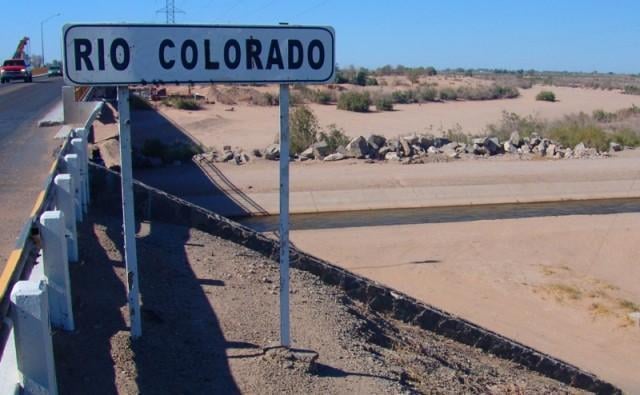 Officials from the U.S. and Mexico met in San Diego this week to sign an amendment to the 1944 Colorado River treaty that provides for increased flexibility and international cooperation on infrastructure developments, as well as conservation goals. The deal, known as Minute 319, is being lauded as a win-win, and as the Summit County Citizen's Voice reports, that is a rarity in Western water disputes. It is unprecedented in its focus on conservation as well as equitable access. It could raise the level of Lake Mead up to 15 feet to accomodate storage rights for Mexico, good news for recreationists. Recreation is a growing economic service of the Colorado River and often helps to bridge the gap between other economic demands and ecosystem health in policy design.
Friday, November 9, 2012
Cascading Systems: Fire and Water
The Coloradoan reported today on the cascading effects of drought, wildfire, and water quality. As the High Park fire near Greeley continues to burn, ash pollution to the Poudre River augments the issues from the area's ongoing drought. Sediment load has spiked due to post-fire erosion. The sediment has clogged drinking water intakes, and pollution levels of inorganic carbon may require expensive chlorination treatment. Ft. Collins has responded to the pollution of the Poudre River, their main drinking water source, by working with CSU and neighboring cities to access Horsetooth Reservoir Water. However, the reservoir depends on spring runoff to replenish its supplies, and since the drought doesn't look like it will abate any time soon, Ft. Collins may have to return to using the sullied water from the Poudre River and implementing expensive water treatment procedures.
This is all illustrative of the cascading effects of wildfire, drought, erosion, and water quality. Climate change scenarios predict that extreme droughts are likely to occur more often in the future, making management of water resources even more of a challenge.
This is all illustrative of the cascading effects of wildfire, drought, erosion, and water quality. Climate change scenarios predict that extreme droughts are likely to occur more often in the future, making management of water resources even more of a challenge.
Thursday, November 1, 2012
What Hurricane Sandy tells us about Infrastructure
We've all heard by now some of the critical infrastructure that has been damaged by Hurricane Sandy in New York, New Jersey and the rest of the affected area. Subway tunnels, power plants, sidewalks and roads, communication systems, internet and cable networks, and water and sewer pipes are some of the infrastructure damaged in the 100-year storm. State officials, FEMA, and the White House have dealt with the hurricane impressively, responding quickly and providing relief to people whose properties were damaged. I am amazed at how well people cooperated together to make sure people were safe.
 New York Governor Andrew Cuomo spoke Wednesday at a press conference, stating that climate change cannot be ignored by politicians anymore, who are playing a game of Russian Roulette by failing to address the issue. He advocated for upgrading and re-designing New York's infrastructure, much of which is outdated and in-need of maintenance or re-design.
The hurricane affords us the chance to dissect just how extreme weather events and infrastructure planning are related. I want to make sure I mention that although New York has huge infrastructure demands with a growing population and aging sewers, roads, and facilities, it has a comparatively proactive tax structure with which it tries to meet those demands. However, those remaining infrastructure deficiencies contributed to the scope of the damage incurred during the hurricane.
Water professionals and researchers (ahem) have been advocating for investment into our crumbling infrastructure for decades. In 2008, the American Society of Civil Engineers released a Report Card for New York detailing infrastructure deficiencies, stating that the state's bridges, roads, and mass transit system were vulnerable. The potential for more frequent extreme weather events as a result of climate change only makes the issue more important. However, a slumped economy and political grid-lock have stood in the way of significant upgrades or new policies. After the hurricane, New York, New Jersey and other affected states will acquire federal emergency funding to repair and upgrade infrastructure that probably needed upgrading before the storm hit.
Federal emergency funding is often used to repair infrastructure because of accidents that could have been avoided with a more proactive planning approach. This is borne of two things: lack of funding, and lack of political capital.
Lack of Funding: Cash-strapped communities all over the U.S. do not have access to the funds they require to make critical infrastructure upgrades. This forces them to wait for an emergency situation to qualify for federal or state emergency aide to address the problem. One example in Logan, Utah was a 2009 landslide that destroyed a 100-year-old, leaky, earthen irrigation canal on a steep hill. The landslide killed three people. As a result, federal funding was dispersed to the community, and a more efficient canal system will be installed at the federal taxpayer's expense.
 Lack of Political Capital. Infrastructure is not a sexy issue, even though it is such an important part of our daily lives. In our democratic society, raising taxes for roads or pipes can be met with opposition, and looming elections can motivate a policymaker to simply "kick the can down the road." As a result it takes a trigger event - an accident, storm, etc. - before the general population supports a response, even if the issue has long been recognized by "insiders" as needing attention.
As a result, trigger events are often necessary to unlock the political and monetary capital needed to make significant infrastructure investments. However, this is problematic for two reasons.
1) It externalizes the cost for local infrastructure upgrades to federal taxpayers. When a disaster occurs, communities can apply for federal emergency funding, relegating the cost for local infrastructure upgrades to federal taxpayers. In addition, federally-funded projects incur extra costs to cover NEPA and other federal requirements and processes, increasing the overall cost of the project.
2) It creates emergency situations. Investment into climate change-resilient, safe infrastructure would ensure that a community could withstand extreme weather events more effectively. Failure to do so creates a scenario where emergency situations are not only inevitable, they are needed in order to address infrastructure needs in a totally reactive policy environment. The policy approach is therefore "repair the past" rather than "plan for the future." The uncertainty brought by climate change only increases the responsibility on policymakers and politicians to prioritize infrastructure investment as a matter of national security and ethics.
Proactive planning at the state and local level can make communities more resilient to emergency situations, avoid certain negative outcomes, and help them rely less on federal emergency funding to correct pre-existing infrastructure issues. As a result, federal emergency funding can be better allocated across the country to address what proactive local and state planning could not foresee.
See New York Times, the Scientific American,
New York Governor Andrew Cuomo spoke Wednesday at a press conference, stating that climate change cannot be ignored by politicians anymore, who are playing a game of Russian Roulette by failing to address the issue. He advocated for upgrading and re-designing New York's infrastructure, much of which is outdated and in-need of maintenance or re-design.The hurricane affords us the chance to dissect just how extreme weather events and infrastructure planning are related. I want to make sure I mention that although New York has huge infrastructure demands with a growing population and aging sewers, roads, and facilities, it has a comparatively proactive tax structure with which it tries to meet those demands. However, those remaining infrastructure deficiencies contributed to the scope of the damage incurred during the hurricane.
Water professionals and researchers (ahem) have been advocating for investment into our crumbling infrastructure for decades. In 2008, the American Society of Civil Engineers released a Report Card for New York detailing infrastructure deficiencies, stating that the state's bridges, roads, and mass transit system were vulnerable. The potential for more frequent extreme weather events as a result of climate change only makes the issue more important. However, a slumped economy and political grid-lock have stood in the way of significant upgrades or new policies. After the hurricane, New York, New Jersey and other affected states will acquire federal emergency funding to repair and upgrade infrastructure that probably needed upgrading before the storm hit.
Federal emergency funding is often used to repair infrastructure because of accidents that could have been avoided with a more proactive planning approach. This is borne of two things: lack of funding, and lack of political capital.
Lack of Funding: Cash-strapped communities all over the U.S. do not have access to the funds they require to make critical infrastructure upgrades. This forces them to wait for an emergency situation to qualify for federal or state emergency aide to address the problem. One example in Logan, Utah was a 2009 landslide that destroyed a 100-year-old, leaky, earthen irrigation canal on a steep hill. The landslide killed three people. As a result, federal funding was dispersed to the community, and a more efficient canal system will be installed at the federal taxpayer's expense.
As a result, trigger events are often necessary to unlock the political and monetary capital needed to make significant infrastructure investments. However, this is problematic for two reasons.
1) It externalizes the cost for local infrastructure upgrades to federal taxpayers. When a disaster occurs, communities can apply for federal emergency funding, relegating the cost for local infrastructure upgrades to federal taxpayers. In addition, federally-funded projects incur extra costs to cover NEPA and other federal requirements and processes, increasing the overall cost of the project.
2) It creates emergency situations. Investment into climate change-resilient, safe infrastructure would ensure that a community could withstand extreme weather events more effectively. Failure to do so creates a scenario where emergency situations are not only inevitable, they are needed in order to address infrastructure needs in a totally reactive policy environment. The policy approach is therefore "repair the past" rather than "plan for the future." The uncertainty brought by climate change only increases the responsibility on policymakers and politicians to prioritize infrastructure investment as a matter of national security and ethics.
Proactive planning at the state and local level can make communities more resilient to emergency situations, avoid certain negative outcomes, and help them rely less on federal emergency funding to correct pre-existing infrastructure issues. As a result, federal emergency funding can be better allocated across the country to address what proactive local and state planning could not foresee.
See New York Times, the Scientific American,
Tuesday, October 23, 2012
Water Rate Increases throughout U.S.
USA Today reports that the prices for water have increased over the last 12 years in municipalities all over the U.S. The trend is expected to continue as municipalities grapple with infrastructure costs and upgrades that loom ahead.
 Notable Western cities rate hikes:
Reno +37%
Cheyenne +64%
Phoenix +69%
Denver +78%
Salt Lake City +80%
Colorado Springs +97%
Las Vegas +129%
San Francisco +211%
Adjusting for inflation, rates have gone up do to increased electric costs for water utilities, federal regulatory costs, and labor, among other things. Some have likely gone up simply because rates were previously too low. In many states, municipal utilities are restricted from saving funds collected each year for future maintenance costs, therefore deferring price hikes until upgrades are unavoidable. Now that many municipalities face looming maintenance projects and upgrades, they have no other choice but to make significant rate increases.
Some cities, especially San Francisco and Las Vegas, have been using rate manipulation as a tool to decrease water use per capita. Both cities rely on expensive infrastructure to import water from other locations, and support large populations that put increasing pressure on their limited water supplies.
Water remains comparatively cheap in most places, and despite rate hikes, billions of gallons of water are wasted each year. Prices would likely have to go much higher in order to see much of a decrease in use for things like lawn-watering and car-washing, two very water-intensive uses. However, for low-income communities, the costs of water can be especially burdensome, and low-income communities often have less access to newer, more efficient water appliances, and rely on outdated infrastructure. It is a challenge for managers and policymakers to figure out ways to raise funds to cover the costs of maintaining water infrastructure, while avoiding disproportionate financial burdens on certain sectors of society.
Notable Western cities rate hikes:Reno +37%
Cheyenne +64%
Phoenix +69%
Denver +78%
Salt Lake City +80%
Colorado Springs +97%
Las Vegas +129%
San Francisco +211%
Adjusting for inflation, rates have gone up do to increased electric costs for water utilities, federal regulatory costs, and labor, among other things. Some have likely gone up simply because rates were previously too low. In many states, municipal utilities are restricted from saving funds collected each year for future maintenance costs, therefore deferring price hikes until upgrades are unavoidable. Now that many municipalities face looming maintenance projects and upgrades, they have no other choice but to make significant rate increases.
Some cities, especially San Francisco and Las Vegas, have been using rate manipulation as a tool to decrease water use per capita. Both cities rely on expensive infrastructure to import water from other locations, and support large populations that put increasing pressure on their limited water supplies.
Water remains comparatively cheap in most places, and despite rate hikes, billions of gallons of water are wasted each year. Prices would likely have to go much higher in order to see much of a decrease in use for things like lawn-watering and car-washing, two very water-intensive uses. However, for low-income communities, the costs of water can be especially burdensome, and low-income communities often have less access to newer, more efficient water appliances, and rely on outdated infrastructure. It is a challenge for managers and policymakers to figure out ways to raise funds to cover the costs of maintaining water infrastructure, while avoiding disproportionate financial burdens on certain sectors of society.
Monday, October 22, 2012
A Twenty-First Century Water Policy: A Review - 1 of 3
The Pacific Institute released A Twenty-First Century Water Policy this year. The book outlines the problems we face in our country with regard to water policy, and the gaps that future policy approaches need to address to meet today's (and tomorrow's) water management needs. This is the first in a series of three entries that review the book.
 Think of A Twenty-First Century Water Policy as a State of the Union address, a dozen chapters assessing where we are and where we should go with regard to water policy in the United States. The scope is incredibly wide, and that is not lost on the authors, who labor to paint a picture of the nation's water resources in the first two chapters: first that our freshwater resources, though relatively abundant in the U.S., are distributed unequally across our geography, most of the water in the eastern half. And second, population growth throughout the last century has led to massive projects that boil down to manipulating surface water and withdrawing groundwater supplies in order to meet needs, often at the expense of ecosystem health and environmental quality. Incremental policy changes has led to siloed management situation where each state regulates water a little differently, several agencies all have some level of interest in water management, and coordination between all of these governing entities is minimal. Peak water, a sort of limit of how much water can be withdrawn for human use without diminishing future supply, may have already been passed, especially in the West. And increase energy development projects, which require water, put even more strain on water-strapped communities throughout the West. The authors maintain that a new approach is needed: a "soft path" that re-focuses our policy strategy to deliver "water-related services matched to users' needs and resource availability," instead of relying completely on 19th century infrastructure and decision-making solutions.
Water injustice is the focus of the third chapter. Abundant research in the field of Environmental Justice has uncovered depressing evidence that environmental costs are disproportionately borne by low-income communities and communities of color. Current water policies mostly fail to address environmental justice issues. A few of the examples are: subsistence-dependent communities being more susceptible to contamination rates than more affluent communities; higher risks associated with industrial activities; less access to water-related recreation; contamination from energy development; and vulnerability to climate change. Regulatory agencies do a poor job at enforcing water quality standards in low-income communities and communities of color to the same rigorous level as higher-income or white communities. Each of these issues can result in cumulative risks disproportionately borne by the poorer, more rural communities in our country.
These issues have been pinpointed by many researchers throughout the last few decades. The Pacific Institute suggests that environmental justice be more officially integrated into a comprehensive federal water policy framework by encouraging more collaboration between the different regulatory agencies and states, and by recognizing the human right to water.
The pitfalls of our current water policy approach are pretty well known. And I believe the "soft path" to water management is our best chance at avoiding massive water shortages and ethical violations. The next entry will highlight some of the more specific issues involved in the "soft path," including water quality, ecosystem services, urban infrastructure issues, agriculture, energy, and climate change. The final entry will address specific policy strategies suggested by the authors, and discuss the ways in which the soft path can be adopted and implemented.
The last entry will also include my internal monologue over whether the soft path can ever or will ever be implemented in our country, call it the diatribe of a tormented cynic.
 Think of A Twenty-First Century Water Policy as a State of the Union address, a dozen chapters assessing where we are and where we should go with regard to water policy in the United States. The scope is incredibly wide, and that is not lost on the authors, who labor to paint a picture of the nation's water resources in the first two chapters: first that our freshwater resources, though relatively abundant in the U.S., are distributed unequally across our geography, most of the water in the eastern half. And second, population growth throughout the last century has led to massive projects that boil down to manipulating surface water and withdrawing groundwater supplies in order to meet needs, often at the expense of ecosystem health and environmental quality. Incremental policy changes has led to siloed management situation where each state regulates water a little differently, several agencies all have some level of interest in water management, and coordination between all of these governing entities is minimal. Peak water, a sort of limit of how much water can be withdrawn for human use without diminishing future supply, may have already been passed, especially in the West. And increase energy development projects, which require water, put even more strain on water-strapped communities throughout the West. The authors maintain that a new approach is needed: a "soft path" that re-focuses our policy strategy to deliver "water-related services matched to users' needs and resource availability," instead of relying completely on 19th century infrastructure and decision-making solutions.
 |
| Associated Press |
These issues have been pinpointed by many researchers throughout the last few decades. The Pacific Institute suggests that environmental justice be more officially integrated into a comprehensive federal water policy framework by encouraging more collaboration between the different regulatory agencies and states, and by recognizing the human right to water.
The pitfalls of our current water policy approach are pretty well known. And I believe the "soft path" to water management is our best chance at avoiding massive water shortages and ethical violations. The next entry will highlight some of the more specific issues involved in the "soft path," including water quality, ecosystem services, urban infrastructure issues, agriculture, energy, and climate change. The final entry will address specific policy strategies suggested by the authors, and discuss the ways in which the soft path can be adopted and implemented.
The last entry will also include my internal monologue over whether the soft path can ever or will ever be implemented in our country, call it the diatribe of a tormented cynic.
Thursday, October 18, 2012
Clean Water Act turns 40
Today marks the official 40th anniversary of the Clean Water Act becoming law. The milestone has spurred a number of editorial content across the Internet - from Kristen Bell to the National Geographic. On this blog, I've already highlighted the law, its effect on pollution mitigation, and where the law currently falls short meeting our water management needs today here. Managers and commenters across the web have raised other issues that should be addressed in order to strengthen the CWA and water policy in the United States:
- Clarify the scope of the act to include small tributaries and waters that have ecological impacts on the waters of the United States (National Geographic)
- Focus on policy mechanisms to address non-point source pollution like fertilizer run-off and urban stormwater (LA Times)
- Retrofit urban and rural water infrastructure to meet current and future needs more efficiently (LA Times), especially sewage treatment plants (NY Times)
The benefits of the 1972 Clean Water Act are obvious. The Chattanoogan lists some of the statistics:
- Clarify the scope of the act to include small tributaries and waters that have ecological impacts on the waters of the United States (National Geographic)
- Focus on policy mechanisms to address non-point source pollution like fertilizer run-off and urban stormwater (LA Times)
- Retrofit urban and rural water infrastructure to meet current and future needs more efficiently (LA Times), especially sewage treatment plants (NY Times)
The benefits of the 1972 Clean Water Act are obvious. The Chattanoogan lists some of the statistics:
- The number of Americans receiving clean drinking water has increased from 79 percent in 1993 to 92 percent in 2007;
- More than 2,000 water bodies identified as impaired in 2002 now meet water quality standards;
- 60 percent more Americans were served by publicly-owned wastewater treatment facilities from 1968 to 2008.
The act was passed by a bi-partisan Congress. In today's political context, it's difficult to imagine a bi-partisan effort that would strengthen the CWA. But that's exactly what needs to happen in order for our country to face the coming water-related crises.
Tuesday, October 16, 2012
Fracking Protest Rally in Denver next week
Fracking is a hot topic in the world of energy natural resource management. With the increase of hydraulic fracturing activities throughout the West, activists and environmental groups are trying to bring attention to some of the environmental risks associated with the oil extraction process. Next week, demonstrators opposing Colorado fracking activities will congregate at Civic Park in Denver's Capitol Hill on October 23 as part of Frack Free Colorado, an event that will include live music, speeches, and lectures.
Fracking has been popularized lately because of natural gas' cleaner emission profile than coal. However, it is not environmentally blameless, often presenting risks of groundwater contamination and generating highly polluted, saline waste water.
Source: RealAspen, Frack Free Colorado
 |
| Click for more info |
Source: RealAspen, Frack Free Colorado
Monday, October 15, 2012
Happy Birthday, Clean Water Act!
This week 40 years ago, Congress passed the Clean Water Act, overriding President Nixon's veto, and setting in motion new regulations that would dramatically improve the quality of the waters of the United States.
 Over the last decade, however, the power of the Clean Water Act has been gently chipped away by loopholes for small, seasonal waterways and wetlands. In addition, the CWA does not have a strong regulatory mechanism that addresses non-point source pollution, which accounts for the majority of pollution inputs to our waterways today.
As we celebrate this important environmental milestone, it would be a good time to re-evaluate our policy strategies for ensuring clean waterways in the future.
Check back here next week for a review of Pacific Institute's newest release, A Twenty-First Century Water Policy, which provides a framework for a new kind of federal water policy designed for today's sociopolitical and economic realities.
Over the last decade, however, the power of the Clean Water Act has been gently chipped away by loopholes for small, seasonal waterways and wetlands. In addition, the CWA does not have a strong regulatory mechanism that addresses non-point source pollution, which accounts for the majority of pollution inputs to our waterways today.As we celebrate this important environmental milestone, it would be a good time to re-evaluate our policy strategies for ensuring clean waterways in the future.
Check back here next week for a review of Pacific Institute's newest release, A Twenty-First Century Water Policy, which provides a framework for a new kind of federal water policy designed for today's sociopolitical and economic realities.
Subscribe to:
Posts (Atom)