Friday, January 11, 2013

Exceptional Drought Conditions Squeeze Farmers

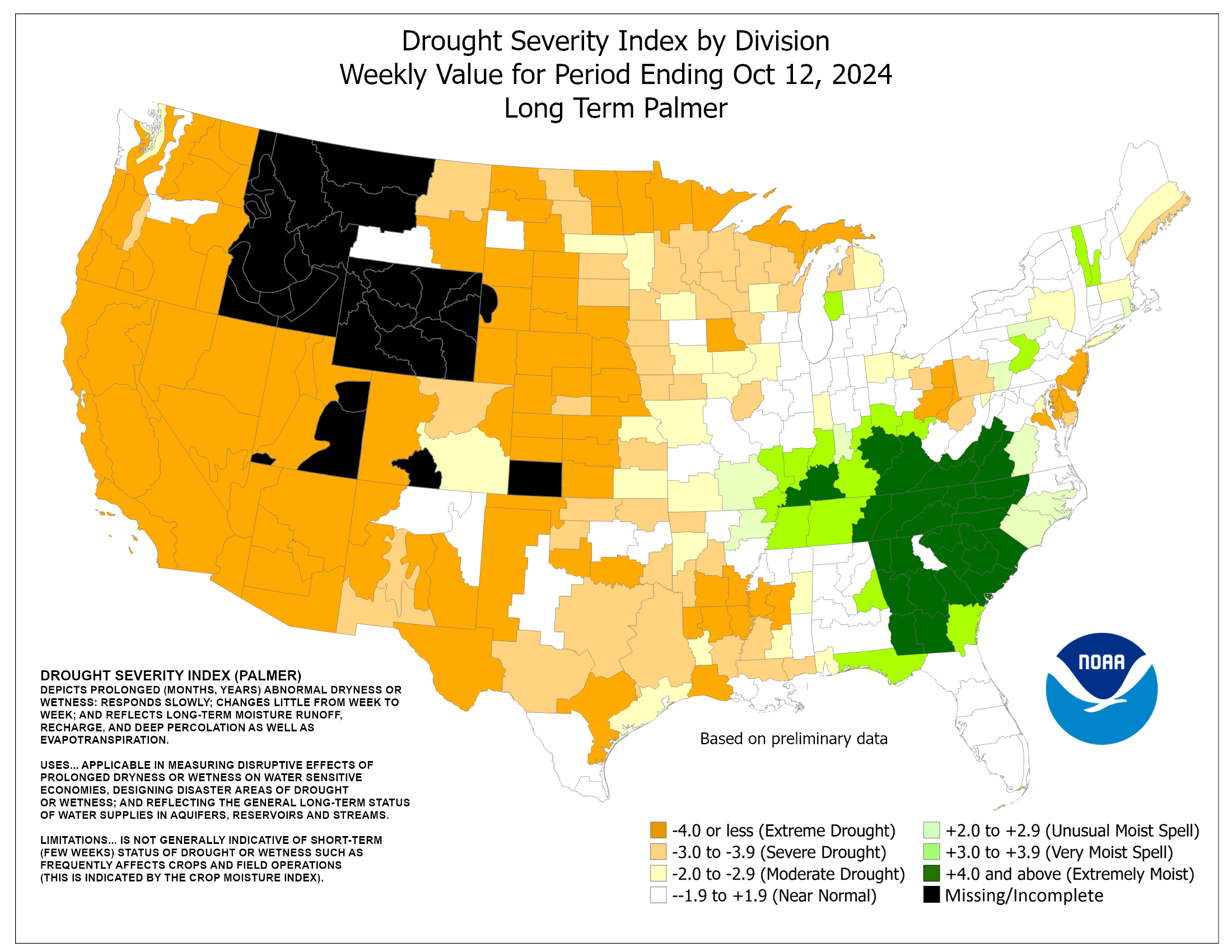
Communities all over the Midwest and parts of the Intermountain West are continuing to suffer under extreme and "exceptional" drought. Cities all over the region are urging residents to conserve as much as possible, while crossing their fingers that rain and snow will fall and replenish water storage supplies. Communities like Paris, Arkansas, and many others, which have implemented strict water use restrictions.

The drought has severe impacts on agricultural production, an important economic service in the Mid-and Intermountain West. The U.S. Congress was unable to pass a bipartisan Farm Bill last year, but the drought has spurred many, including Senators Michael Bennet and Mark Udall, to plead to the House to pass the bill this year. The Farm Bill includes provisions to aide ranchers and farmers in times of drought.

In Colorado, the drought is in its third consecutive year, and many rivers are flowing below 10% of their normal levels. Yesterday, the USDA designated roughly two-thirds of Colorado's counties as disaster areas as a result of prolonged, extreme drought conditions (La Junta Tribune). Although snowpack is accumulating in the Colorado headwaters region in the western part of the state, the eastern part of the state continues to remain dry. For more information about the drought in Colorado, visit CSU's Colorado Climate Center.

Wednesday, January 9, 2013

A Twenty-First Century Water Policy: A Review - 2 of 3

This is part 2 of a review of Pacific Institute's latest book, A Twenty-First Century Water Policy. For part 1, click here.

Water quality and freshwater ecosystems are two areas of important consideration in the next century of water policy. They are addressed in Chapters 5 and 6 of the book.

WATER QUALITY
The chapter, written by Lucy Allen, begins with a brief overview of the development of water quality regulation and policy in the 20th century. The good news is, water quality has dramatically improved in most places, thanks in large part toe the Clean Water Act, which gave the federal government the power to regulate water pollution and manage the "biological integrity" of our nation's waters. Today, forty years after the CWA was passed, we still wrestle with water quality problems, but they have shifted in nature. Runoff from urban or agricultural sources, called non-point pollution, is a hairy and seemingly intractable problem now, and the CWA doesn't do very well at addressing how to mitigate this type of input. New contaminants (like volatile organic compounds) are not well understood. Monitoring and assessing the health of rivers has not been adequately pursued by states under the NPDES system.

Percentage of assessed waters found to be impaired, from
 A Twenty-First Century Water Policy (2012)
The soft path of water policy, advocated by the authors, would capture the power of the CWA and integrate it with existing legislation on drinking water (the Safe Drinking Water Act) in recognition that clean waterways would necessarily facilitate and lower the cost of clean drinking water. In addition, Best Management Practices, which have been shown to be effective in limiting pollution inputs from agricultural and urban sources, could be made mandatory. More research into the effects of VOCs and other less understood additive or synergistic effects of pollutions should inform state and federal water quality standards.

All of these measures are a far cry from re-inventing the wheel, and could simply be applied to legislation and policy frameworks currently in place.

FRESHWATER ECOSYSTEMS

Ecosystem values and services were rarely considered during the 20th century engineering boom. The authors of Chapter 6, Lucy Allen and Juliet Chrstian-Smith, explain what the soft path of aquatic ecosystem policy would look like. The soft path acknowledges ecosystems as legitimate users of water resources and the services they provide. The maintenance or restoration of ecosystems is an explicit policy objective. In our current policy environment, "...adequate ecosystems continue to decline, in large part due to water-use and land-use decisions that do not consider freshwater ecosystems and instream flows." Growing human demand for water, altered size and timing of river basins due to human engineering systems and withdrawals, and increasing extreme weather events contribute to degradation of aquatic ecosystems. As a result, an estimated 39% of fish and other aquatic species are endangered, threatened, vulnerable or extinct and 42% of the US stream length is estimated to be in "poor condition." The Environmental Species Act has been given priority and makes it extremely powerful, but also targeted for litigation and amendments.


The soft path for aquatic ecosystem policy would start with more data, more data, more data. Long term effects on biological indicators from contaminants and physical alterations to waterways needs to be understood in order to be integrated into actionable policy. In addition, the current language of the CWA supports using biological indicators as a standard, which means the focus can shift from chemical indicators as the sole measurement of stream health, a myopic approach. The Secretary of the Interior can coordinate with governors to designate more rivers under the Wild and Scenic Rivers Act, which can provide instream rights and open up funding for better management and monitoring. Market-based solutions, including pricing and water market trades are likely to facilitate the conservation behavior of users. New water infrastructure projects should integrate environmental flows into the decision-making process, and unsafe dams should be removed. The authors state that "These solutions can be applied without compromising state sovereignty over water allocation."

Most of the problems and ideas outlined in these chapters have been state elsewhere by others. But to have it all compiled in a single book helps make the case that these changes are not only smart, they're obvious. The problem will always be that the solutions require more interagency cooperation, more funding, and more research. Implementing those things will be akin to turning the Titanic. It will probably be slow.

Monday, January 7, 2013

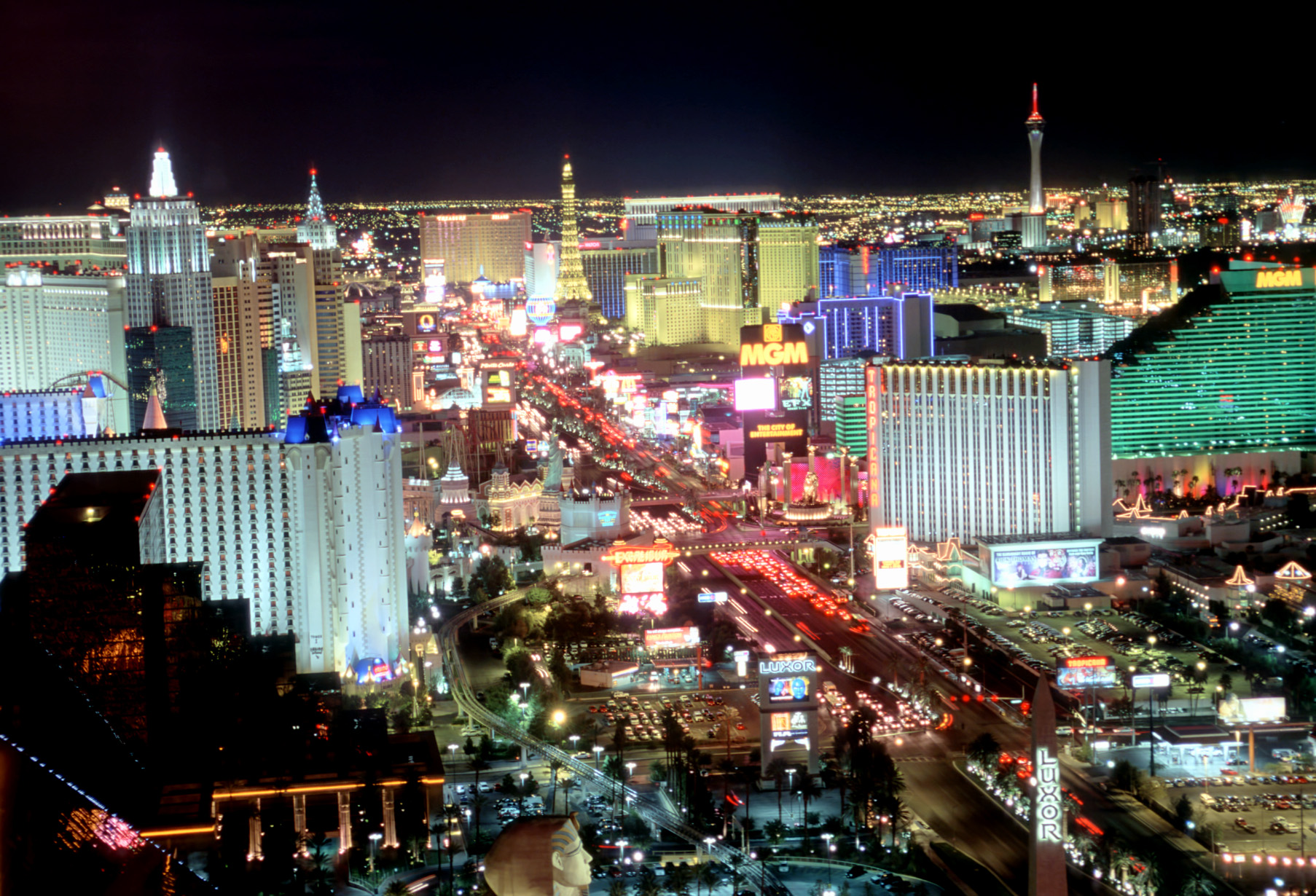
Las Vegas pipeline project approved

photo from wikia
The controversial pipeline proposal that would transport groundwater from rural Nevada to the thirsty city of Las Vegas was given approval by the BLM this week, according to the RCAC and the Associated Press. The pipeline has been on the project horizon for decades, and despite opposition from a diverse set of groups including ranchers, environmentalists, Native American tribes, and municipalities, the project has overcome what could be the last hurdle, and construction may begin this year. The population of Las Vegas is around 2 million, and continues to grow, increasing the pressure on the city to look for ways to augment the water supply.

The pipeline will transport 84,000 acre-feet of water from groundwater sources in rural Nevada counties across 263 miles.

Thursday, November 29, 2012

Arkansas River to remain dam free

American Rivers released a press release yesterday applauding the decision by Colorado Springs Utilities to pursue alternative means of supplying water to the city besides a proposed dam on the Arkansas River. CSU had proposed the dam all the way back in 1990. Grassroots efforts by organizations like American Rivers and the Friends of the Arkansas River held the project off. This year CSU conducted studies to identify possible alternatives to the dam. As a result, they found that another delivery system would provide the same benefits without the deleterious effects on wildlife, recreation, streamflow, and economics. Conservationists and anglers are pleased with the decision.

However, all is not well in the Arkansas River Valley, which is continuing to struggle under continuing drought conditions. In some areas, especially the lower end of the valley, the drought is entering its third year. Snowpack is currently at 26% of its normal volume, compared to the slightly less dismal average of 46% in the rest of Colorado. (The Chieftain)

Monday, November 26, 2012

U.S. - Mexico treaty a good sign

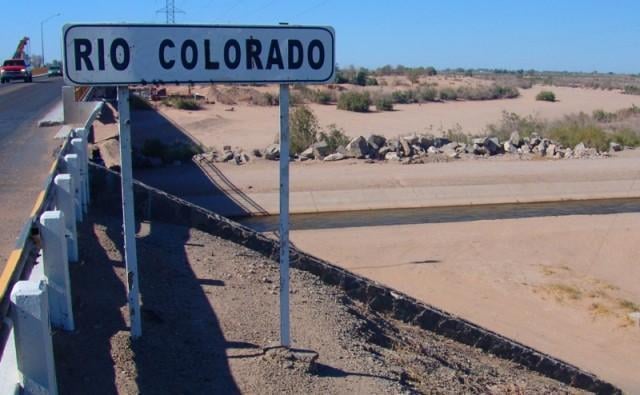
Officials from the U.S. and Mexico met in San Diego this week to sign an amendment to the 1944 Colorado River treaty that provides for increased flexibility and international cooperation on infrastructure developments, as well as conservation goals. The deal, known as Minute 319, is being lauded as a win-win, and as the Summit County Citizen's Voice reports, that is a rarity in Western water disputes. It is unprecedented in its focus on conservation as well as equitable access. It could raise the level of Lake Mead up to 15 feet to accomodate storage rights for Mexico, good news for recreationists. Recreation is a growing economic service of the Colorado River and often helps to bridge the gap between other economic demands and ecosystem health in policy design.

Friday, November 9, 2012

Cascading Systems: Fire and Water

The Coloradoan reported today on the cascading effects of drought, wildfire, and water quality. As the High Park fire near Greeley continues to burn, ash pollution to the Poudre River augments the issues from the area's ongoing drought. Sediment load has spiked due to post-fire erosion. The sediment has clogged drinking water intakes, and pollution levels of inorganic carbon may require expensive chlorination treatment. Ft. Collins has responded to the pollution of the Poudre River, their main drinking water source, by working with CSU and neighboring cities to access Horsetooth Reservoir Water. However, the reservoir depends on spring runoff to replenish its supplies, and since the drought doesn't look like it will abate any time soon, Ft. Collins may have to return to using the sullied water from the Poudre River and implementing expensive water treatment procedures.

This is all illustrative of the cascading effects of wildfire, drought, erosion, and water quality. Climate change scenarios predict that extreme droughts are likely to occur more often in the future, making management of water resources even more of a challenge.


Thursday, November 1, 2012

What Hurricane Sandy tells us about Infrastructure

We've all heard by now some of the critical infrastructure that has been damaged by Hurricane Sandy in New York, New Jersey and the rest of the affected area. Subway tunnels, power plants, sidewalks and roads, communication systems, internet and cable networks, and water and sewer pipes are some of the infrastructure damaged in the 100-year storm. State officials, FEMA, and the White House have dealt with the hurricane impressively, responding quickly and providing relief to people whose properties were damaged. I am amazed at how well people cooperated together to make sure people were safe.


New York Governor Andrew Cuomo spoke Wednesday at a press conference, stating that climate change cannot be ignored by politicians anymore, who are playing a game of Russian Roulette by failing to address the issue. He advocated for upgrading and re-designing New York's infrastructure, much of which is outdated and in-need of maintenance or re-design.


The hurricane affords us the chance to dissect just how extreme weather events and infrastructure planning are related. I want to make sure I mention that although New York has huge infrastructure demands with a growing population and aging sewers, roads, and facilities, it has a comparatively proactive tax structure with which it tries to meet those demands. However, those remaining infrastructure deficiencies contributed to the scope of the damage incurred during the hurricane.

Water professionals and researchers (ahem) have been advocating for investment into our crumbling infrastructure for decades. In 2008, the American Society of Civil Engineers released a Report Card for New York detailing infrastructure deficiencies, stating that the state's bridges, roads, and mass transit system were vulnerable. The potential for more frequent extreme weather events as a result of climate change only makes the issue more important. However, a slumped economy and political grid-lock have stood in the way of significant upgrades or new policies. After the hurricane, New York, New Jersey and other affected states will acquire federal emergency funding to repair and upgrade infrastructure that probably needed upgrading before the storm hit.

Federal emergency funding is often used to repair infrastructure because of accidents that could have been avoided with a more proactive planning approach. This is borne of two things: lack of funding, and lack of political capital.

Lack of Funding: Cash-strapped communities all over the U.S. do not have access to the funds they require to make critical infrastructure upgrades. This forces them to wait for an emergency situation to qualify for federal or state emergency aide to address the problem. One example in Logan, Utah was a 2009 landslide that destroyed a 100-year-old, leaky, earthen irrigation canal on a steep hill. The landslide killed three people. As a result, federal funding was dispersed to the community, and a more efficient canal system will be installed at the federal taxpayer's expense.

Lack of Political Capital. Infrastructure is not a sexy issue, even though it is such an important part of our daily lives. In our democratic society, raising taxes for roads or pipes can be met with opposition, and looming elections can motivate a policymaker to simply "kick the can down the road." As a result it takes a trigger event - an accident, storm, etc. - before the general population supports a response, even if the issue has long been recognized by "insiders" as needing attention.

As a result, trigger events are often necessary to unlock the political and monetary capital needed to make significant infrastructure investments. However, this is problematic for two reasons.

1) It externalizes the cost for local infrastructure upgrades to federal taxpayers. When a disaster occurs, communities can apply for federal emergency funding, relegating the cost for local infrastructure upgrades to federal taxpayers. In addition, federally-funded projects incur extra costs to cover NEPA and other federal requirements and processes, increasing the overall cost of the project.

2) It creates emergency situations. Investment into climate change-resilient, safe infrastructure would ensure that a community could withstand extreme weather events more effectively. Failure to do so creates a scenario where emergency situations are not only inevitable, they are needed in order to address infrastructure needs in a totally reactive policy environment. The policy approach is therefore "repair the past" rather than "plan for the future." The uncertainty brought by climate change only increases the responsibility on policymakers and politicians to prioritize infrastructure investment as a matter of national security and ethics.

Proactive planning at the state and local level can make communities more resilient to emergency situations, avoid certain negative outcomes, and help them rely less on federal emergency funding to correct pre-existing infrastructure issues. As a result, federal emergency funding can be better allocated across the country to address what proactive local and state planning could not foresee.

See New York Times, the Scientific American,