Showing posts with label Las Vegas. Show all posts

Tuesday, April 23, 2013

Utah Governor stops Nevada water sharing agreement

This month, Utah Governor Gary Herbert said he would not sign an agreement that would divvy water under the shared border between Utah and Nevada. This water had been eyed by the thirsty metropolis of Las Vegas a few hours south. The pact was drawn up four years ago in response to a 2004 Congressional order that required the states to reach an agreement before any transfers of water would be permitted in the Snake Valley. The agreement was controversial because of a proposed pipeline enabled by the pact that would send Snake Valley water to Las Vegas. The pipeline spurred protests from farmers, environmentalists, tribes, and ranchers in Utah and parts of Nevada.

It was not clear whether Gov. Herbert would support the agreement, and he shocked both supporters and critics of the project when he announced his decision. He told the Deseret News, "At the end of the day, when it comes down to those people who have the most to lose — it's their water, their lifestyle, their livelihood — I can't in good conscience sign the agreement. It's that simple."

In Utah, the reaction has been positive. The majority of local citizens and officials at the county level in Millard and Juab counties did not support the water sharing agreement.

The director of Nevada Department of Conservation and Natural Resources said that they are "evaluating all of [their] options in light of Gov. Herbert's decision." A lawsuit could be forthcoming.


Monday, January 7, 2013

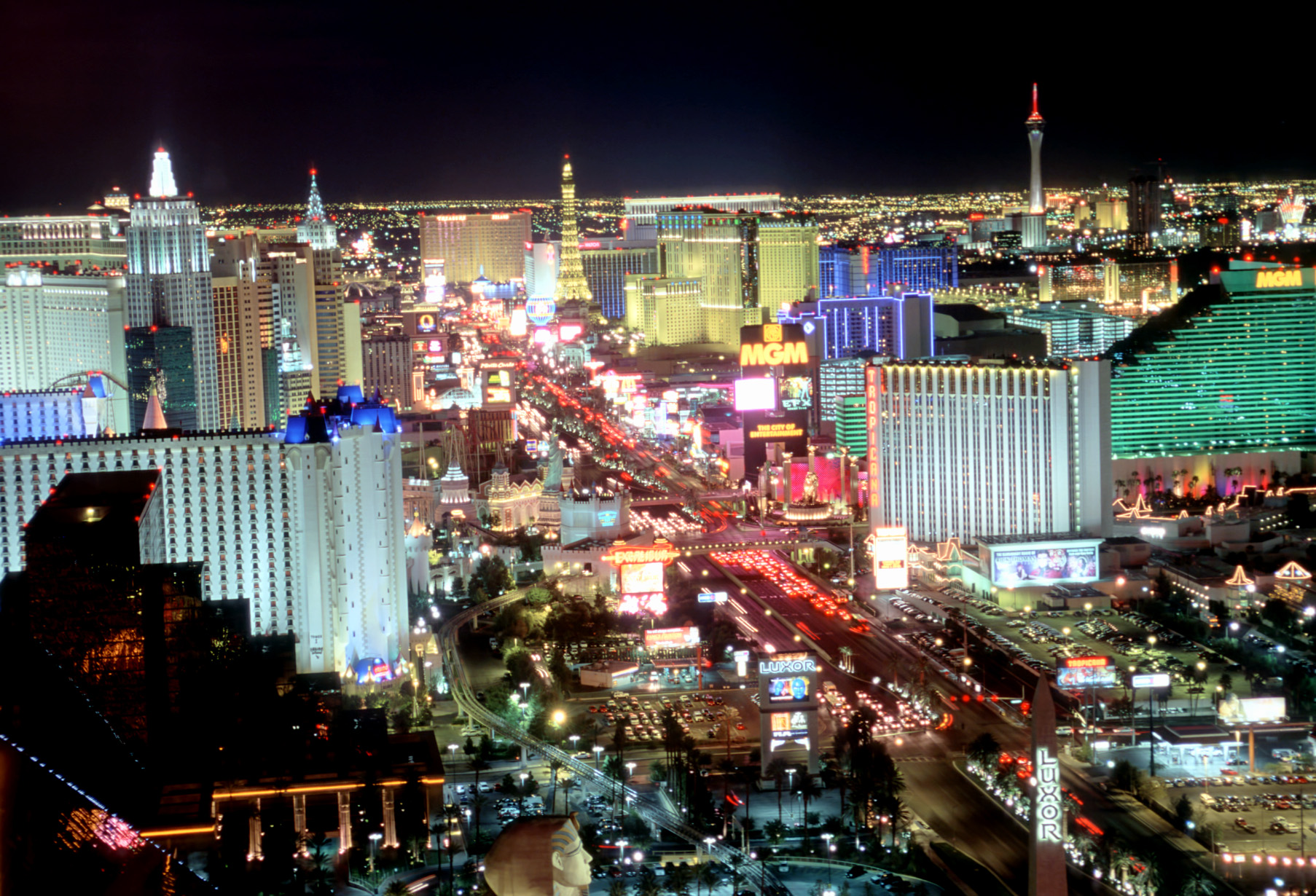
Las Vegas pipeline project approved

photo from wikia
The controversial pipeline proposal that would transport groundwater from rural Nevada to the thirsty city of Las Vegas was given approval by the BLM this week, according to the RCAC and the Associated Press. The pipeline has been on the project horizon for decades, and despite opposition from a diverse set of groups including ranchers, environmentalists, Native American tribes, and municipalities, the project has overcome what could be the last hurdle, and construction may begin this year. The population of Las Vegas is around 2 million, and continues to grow, increasing the pressure on the city to look for ways to augment the water supply.

The pipeline will transport 84,000 acre-feet of water from groundwater sources in rural Nevada counties across 263 miles.

Tuesday, September 25, 2012

Las Vegas businesses to share water infrastructure costs

Photo Credit: LA Times
Pat Mulroy, the general manager for the Southern Nevada Water Authority (SNWA), announced that a new funding formula for $2.5 for needed infrastructure upgrades and construction would rely more on connection fees from local businesses. Previously, businesses and non-profits were promised credits to alleviate pressure during the recession.

The Integrated Resources Planning Committee, a 21-person committee tasked with outlining policy and funding recommendations, will revisit the credits, and likely agree on reversing credits and relying on those connection fees to help finance the much-needed infrastructure costs. The SNWA is currently $3 billion in debt, mostly due to recent projects like the $800 million third intake at Lake Mead.

Many businesses are worried that the rate hike, perhaps up to three times their previous rate, will be enough to put them out of business.

The question of funding plagues nearly every community, especially when federal funding is sparse, infrastructure is aging or insufficient, and population and water demand continue to grow.

Source: Las Vegas Review Journal; Vegas Inc.

Tuesday, September 18, 2012

Stormwater swells in the Southwest

Intense rainstorms hammered the southwest last week, flooding neighborhoods and knocking out power. Most of the neighborhoods that were most vulnerable were trailer parks which lack sophisticated, centralized stormwater drainage systems. In some areas, standing water reached 12 inches, displacing people from their homes and causing structural damage.

John Locher / Las Vegas Review-Journal via AP
Simultaneously, storms near Las Vegas flooded neighborhoods, and roads flooded in the Navajo Nation in Arizona.

Source: NBC News


Storms like this test the infrastructure in place in cities in the Southwest that normally get two to three inches of rain per year. Many western cities do not have upgraded stormwater systems, and send stormwater into ditches and canals that trasport irrigation water. With the increase of urbanization in the West, more impermeable surfaces like driveways, roofs, and parking lots, send even more water during storm events.

Climate scientists predict that more severe weather events are likely to occur as a result of climate change. This puts even more pressure on municipal infrastructure already burdened by growing urban populations. Finding funding for upgrading and maintaining water infrastructure is a serious challenge.

Monday, September 17, 2012

SNWA pipeline may face delays due to springsnail species

Environmental groups are suing the federal government to list a number of springsnail species to the Endangered Species List. If successful, they could block the 280-mile pipeline currently under review that would transport water from underground aquifers in rural valleys in Nevada to Las Vegas.

The pipeline is the focus of a BLM Environmental Assessment currently open to public comment. (See previous post), and the project has been approved by the State Engineer despite considerable controversy.

A 2009 USFWS study named several snail species as needing further investigation to determine their status as endangered or threatened.

Source: San Francisco Gate


Thursday, September 13, 2012

Pipeline to transport groundwater to Las Vegas

Las Vegas may succeed in importing water from nearby valleys through a multi-billion dollar pipeline.


From UNLV Special Collections
In 1922, the U.S. Congress ratified the Colorado River Compact, which allocated the water in the Colorado River between Arizona, California, Colorado, Nevada, New Mexico, Utah, and Wyoming. Ninety years later, the provisions of this compact, which allocated proportionally more water to California and Arizona, have led to fears of water shortages to Las Vegas, Nevada. 

Instead of trying to challenge or re-write the Compact, Las Vegas has been engaged in finding other sources of water nearby in counties east of Las Vegas, and even in Southern Utah. Earlier this year, the Nevada State Engineer approved a proposal for a pipeline that would bring water from nearby Lincoln and White Pine Counties. In August, the BLM released a review of the project that stated the pipeline should be allowed to traverse the public land, but not cut into Snake Valley, Utah, where the project has met the hardest opposition. This week, the Colorado River Commission backed this plan.


Groups such as the Great Basin Water Network call the move a "water grab" and insist that Las Vegas focus on improving efficient use of current water sources rather than exploiting new sources. Others are concerned about the effects the de-watering of Lincoln and White Pine Counties will have on the region.


Source: Las Vegas Sun