USA Today reports that the prices for water have increased over the last 12 years in municipalities all over the U.S. The trend is expected to continue as municipalities grapple with infrastructure costs and upgrades that loom ahead.

Notable Western cities rate hikes:
Reno +37%
Cheyenne +64%
Phoenix +69%
Denver +78%
Salt Lake City +80%
Colorado Springs +97%
Las Vegas +129%
San Francisco +211%
Adjusting for inflation, rates have gone up do to increased electric costs for water utilities, federal regulatory costs, and labor, among other things. Some have likely gone up simply because rates were previously too low. In many states, municipal utilities are restricted from saving funds collected each year for future maintenance costs, therefore deferring price hikes until upgrades are unavoidable. Now that many municipalities face looming maintenance projects and upgrades, they have no other choice but to make significant rate increases.
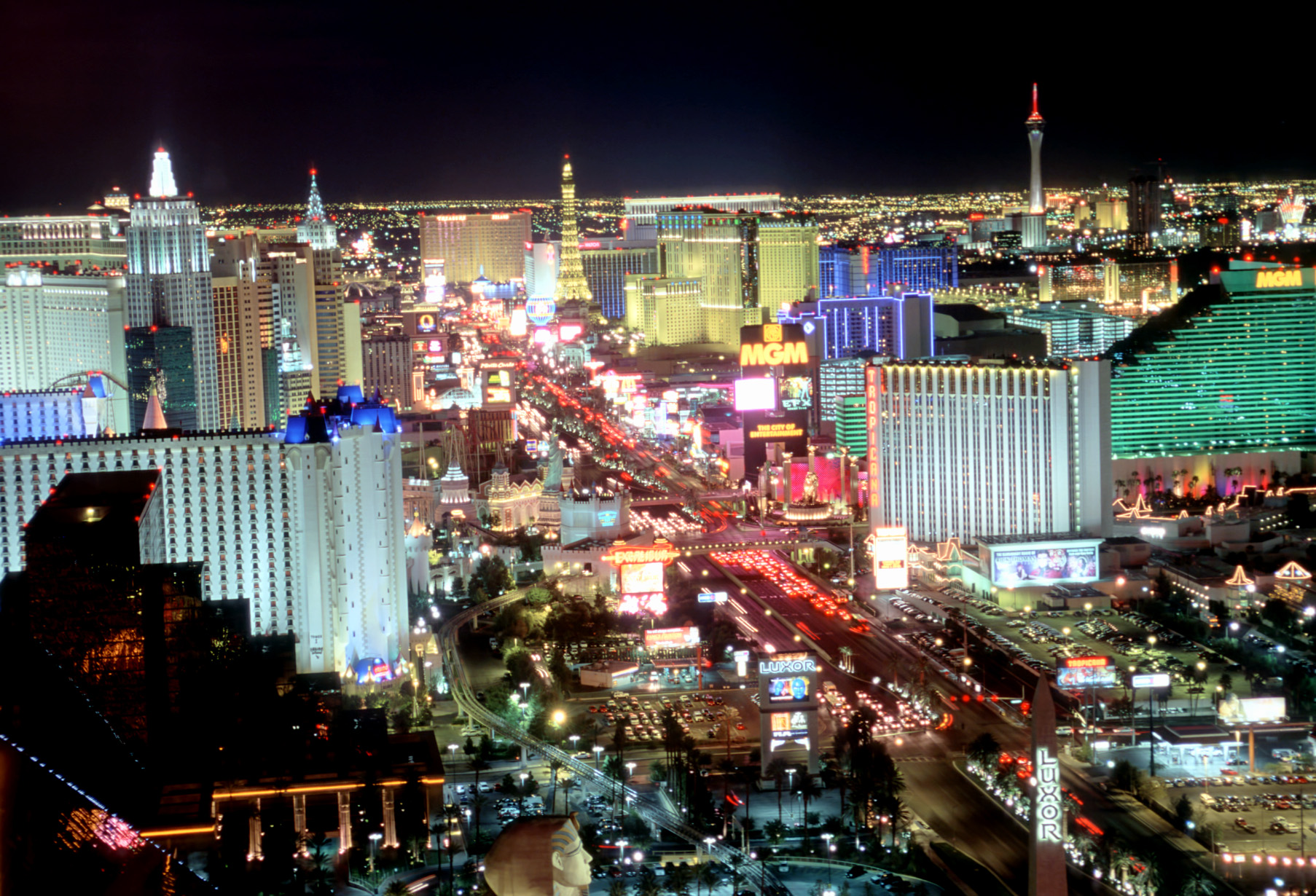
Some cities, especially San Francisco and Las Vegas, have been using rate manipulation as a tool to decrease water use per capita. Both cities rely on expensive infrastructure to import water from other locations, and support large populations that put increasing pressure on their limited water supplies.
Water remains comparatively cheap in most places, and despite rate hikes, billions of gallons of water are wasted each year. Prices would likely have to go much higher in order to see much of a decrease in use for things like lawn-watering and car-washing, two very water-intensive uses. However, for low-income communities, the costs of water can be especially burdensome, and low-income communities often have less access to newer, more efficient water appliances, and rely on outdated infrastructure. It is a challenge for managers and policymakers to figure out ways to raise funds to cover the costs of maintaining water infrastructure, while avoiding disproportionate financial burdens on certain sectors of society.